
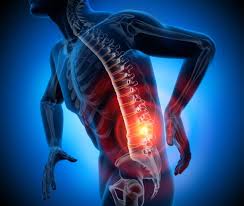
If you work in an office in Jakarta, you probably spend more time sitting than you would like: at your desk, in meetings, and in the car or on the commuter train. Many people notice that their lower back starts to ache by the end of the week, or feels stiff when they get up in the morning.
Most lower back pain is not caused by anything serious. It usually comes from muscles, joints and ligaments that are overloaded or stiff — and it usually improves.
Why sitting makes the back ache
- Staying in one position. Muscles that hold you upright get tired when they do the same job for hours without a break.
- Slumped posture. Sitting slumped for long periods stretches some tissues and shortens others, especially around the hips.
- Tight hips. Sitting keeps the hip flexors short; tight hips change how the lower back moves when you stand and walk.
- Weekend overload. A quiet week followed by a long run, a football match or carrying heavy things can be too big a jump.
- Stress and poor sleep can make muscles tense and pain feel worse.
Muscle pain, nerve pain, or something else?
Muscle-related back pain usually feels like an ache or stiffness across the lower back, sometimes into the buttock. It changes with movement and position.
Nerve-related pain (for example from a slipped disc pressing on a nerve) more often travels down one leg, below the knee, and may come with tingling or numbness. We explain this in our article on sciatica.
Pain that does not change at all with movement or position, especially together with fever, pain when passing urine or blood in the urine, can come from other organs such as the kidneys and needs a doctor.
Seek urgent medical help if
- you have numbness around the genitals or buttocks,
- you have difficulty controlling or passing urine or stools,
- you have weakness in both legs,
- the pain started after a serious fall or accident,
- you have a fever, unexplained weight loss or a history of cancer.
What helps
- Keep moving. Bed rest generally slows recovery. Short walks are usually better than lying still.
- Break up sitting. Stand up and move for a minute or two every 30–45 minutes.
- Adjust your workstation: screen at eye level, feet flat on the floor, the chair supporting your lower back.
- Heat can relax tense muscles once the first sharp phase has passed.
- Gentle exercises for the hips and core, built up gradually.
How therapy can help
For muscle-related back pain, manual therapy can reduce tension and help you move more freely, which makes it easier to stay active. At Garuda Massage we:
- assess where the pain is, how it started and what makes it better or worse,
- treat the surrounding muscles — lower back, buttocks, hips and thighs — not just the painful spot,
- advise on movement and workstation habits between sessions.
If your symptoms suggest a nerve or medical problem, we will tell you honestly and recommend seeing a doctor first.
References
- NHS — Back pain: https://www.nhs.uk/conditions/back-pain/
- NHS — Sciatica: https://www.nhs.uk/conditions/sciatica/
- NHS — Slipped disc: https://www.nhs.uk/conditions/slipped-disc/